Longevity Begins with Regulation
Longevity Begins with Regulation
At the core of long-term health lies the body’s ability to regulate itself. The nervous system constantly balances between activation and recovery. When this balance is disrupted for too long, the consequences appear gradually: shallow sleep, persistent fatigue, reduced resilience, and slower recovery.
Modern life tends to favor constant stimulation. Light extends far into the night, noise rarely stops completely, and digital signals keep attention fragmented. The body adapts, but adaptation is not the same as recovery. Longevity depends on regular phases in which the system can downshift fully, allowing repair and regeneration to take place.
Environment as a Silent Health Factor
One of the most underestimated influences on longevity is environment. Humans evolved in conditions defined by natural light cycles, silence broken only by nature, and physical movement integrated into daily life. These elements shaped circadian rhythms, hormonal balance, and stress responses.
In contrast, artificial environments often introduce subtle but constant stressors: light pollution, background noise, microvibrations, and electromagnetic exposure. Individually, these factors may seem insignificant. Together, they can prevent the body from fully entering restorative states.
Longevity is not only influenced by what we do, but by where we spend our time.
Sleep, Movement, Heat, and Recovery
Sleep remains one of the strongest predictors of longevity. During deep sleep, cellular repair accelerates, the immune system resets, and the brain processes emotional and cognitive load. Darkness, silence, clean air, and a sense of safety are essential. When these conditions are present, sleep quality often improves without conscious effort. Longevity benefits emerge from sleeping more deeply and more consistently.
Longevity research also consistently highlights the value of moderate, regular movement. Walking, especially in natural surroundings, supports cardiovascular health, joint mobility, and mental well-being. It also reinforces circadian rhythm by aligning the body with daylight and physical effort.
Heat exposure, such as sauna bathing, has gained attention for its potential benefits to cardiovascular health, circulation, and stress reduction. When combined with cooling phases and fresh air, it creates a natural stimulus that encourages adaptation and recovery. These practices are most effective when integrated calmly into daily rhythm, rather than pursued aggressively.
In addition, mental and emotional health are inseparable from longevity. Chronic stress accelerates aging processes, while periods of calm and connection support resilience. Silence, unstructured time, and meaningful social interaction allow the mind to process and settle. Longevity, in this sense, is not built through isolation or constant self-improvement, but through balance and belonging.
Longevity at The Oak Lodge
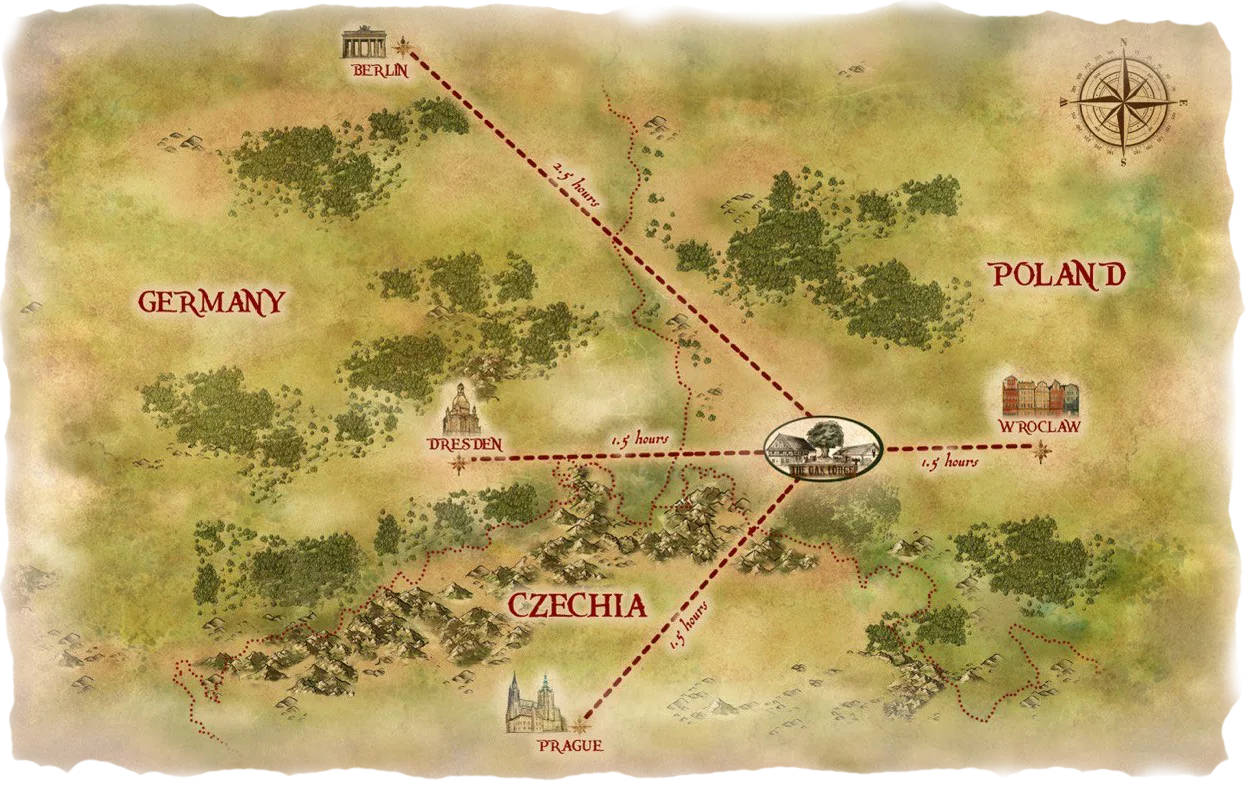
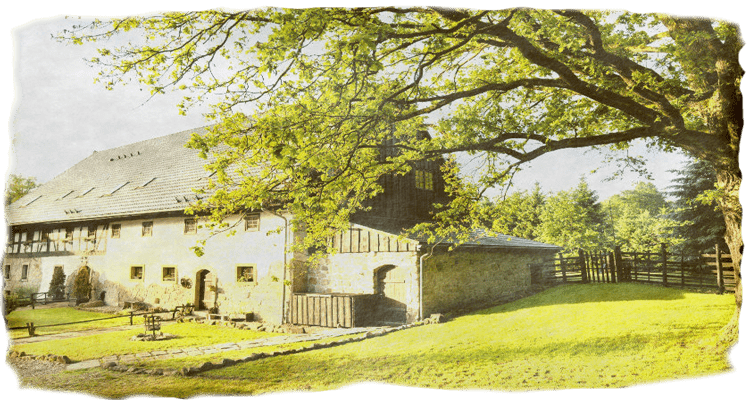
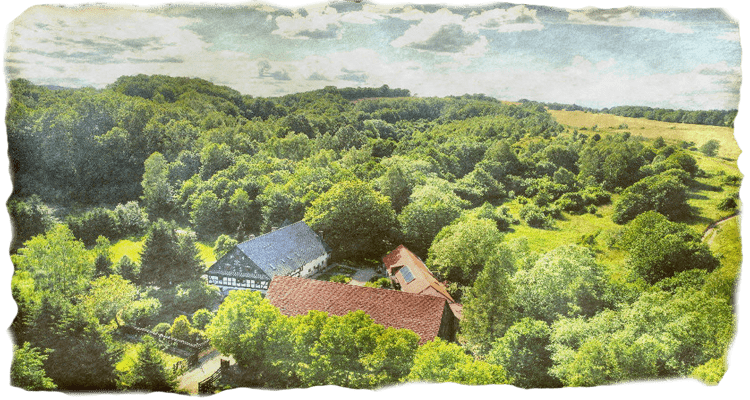
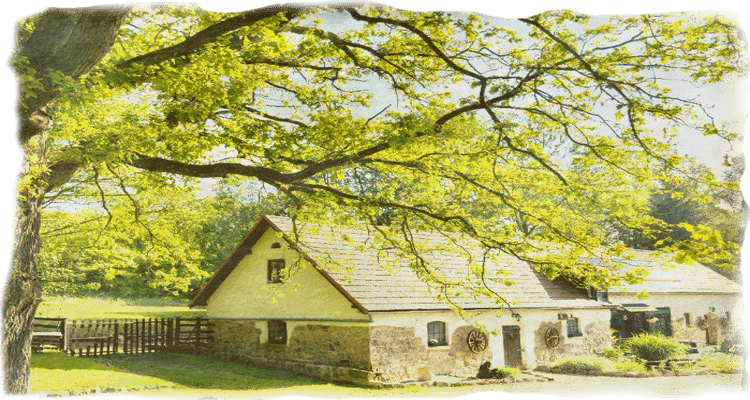
The Oak Lodge does not present itself as a longevity destination, yet many of the conditions associated with long-term health are naturally present here. Surrounded by forest and meadow, the environment is quiet, dark at night, and largely free from artificial disturbance. Days tend to follow natural rhythms shaped by light, weather, and movement rather than schedules.
You can walk through the valley, spend time outdoors, or sit quietly under the open sky. Sauna sessions, followed by fresh air and stillness, become part of the flow of the day rather than a separate activity. Sleep frequently deepens without intention, supported by silence, darkness, and clean air, without any pressure to optimize or perform, the body begins to regulate itself again.